
Greater Manchester Sexual Health
How do you counter the ‘misinformation’, ‘fake news’ and ‘toxic masculinity’ flooding feeds and shaping attitudes around contraception, STIs, and good sexual behaviour?
You launch a cheeky, myth-busting, factually persuasive campaign that grabs attention, shifts behaviour, and gets young people in Greater Manchester thinking (and talking).

The Brief
The spread of misinformation, fake news, and toxic masculinity is distorting the conversation around sexual health. To counter these harmful narratives and promote the facts, we partnered with Greater Manchester Sexual Health Commissioners to create a bold, behaviour-change campaign across the city region – targeting 16–35 year-olds. The client also identified marginalised groups within this audience who are often harder to reach. So, as well as speaking to the wider Greater Manchester population, the campaign was designed to connect with – and resonate among – these specific communities.
We needed to achieve three key objectives within the campaign:
1.
Challenge misconceptions about contraception to improve understanding and reduce stigma around contraceptive choices.
2.
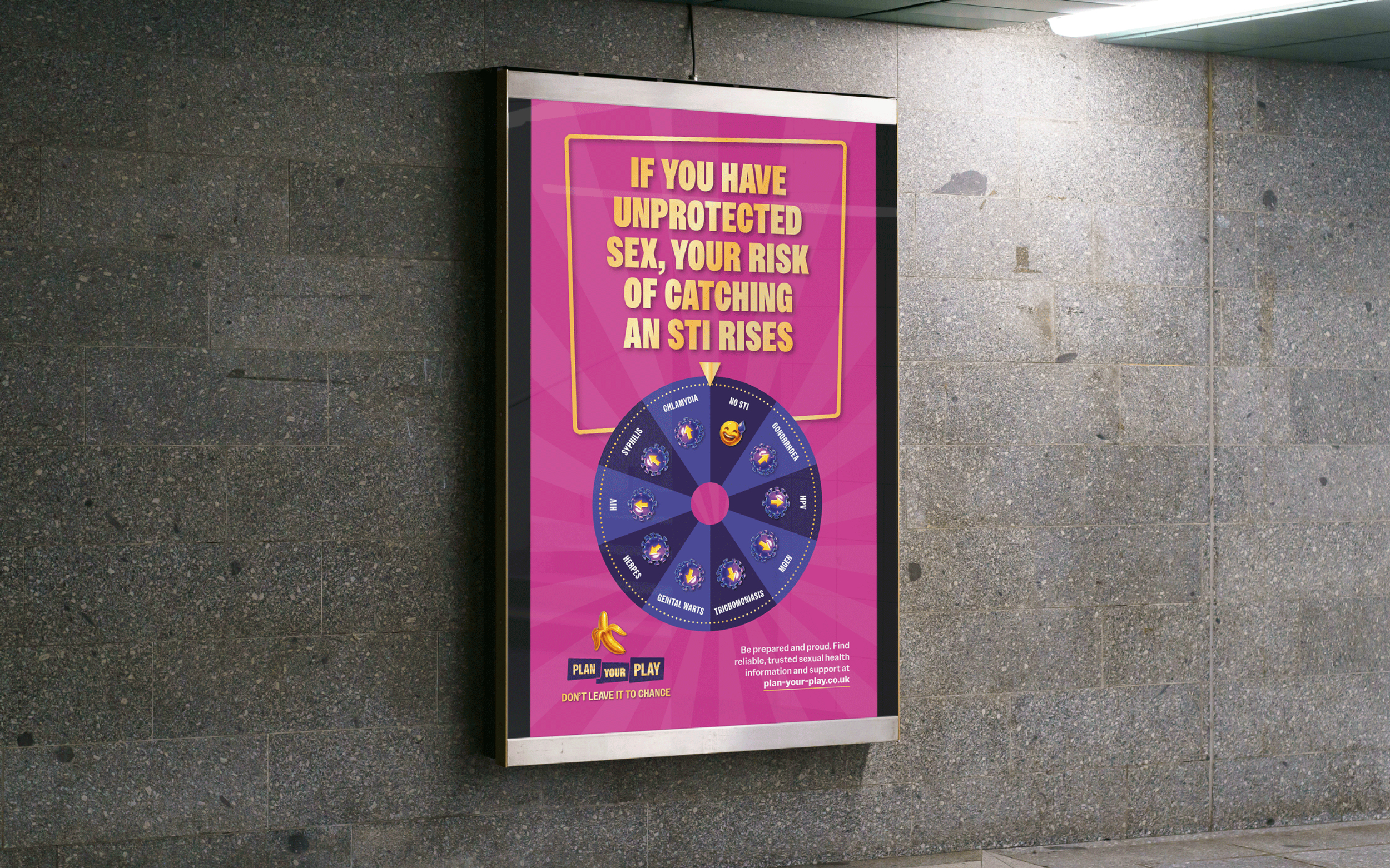
Increase awareness of STI transmission through unprotected sex and provide practical guidance on reducing risk through safe sex practices.
3.
Promote positive sexual behaviours that emphasise respect and responsibility, encouraging informed and responsible decision-making.
Additional complexity arose because sexual health challenges differed across boroughs, some reported significantly higher abortion rates, others saw notable STI prevalence, and certain communities faced concentrated hotspots of poor sexual health outcomes.
Our Response
After immersing ourselves in all available insight and data around youth sexual health in Manchester and the UK, we attended sexual health meetings, ran stakeholder workshops, delivered focus groups and conducted surveys with various audience cohorts to gain a better understanding of the specific city-region landscape and the challenges facing sexual health providers, as well as the barriers to contraception/protection and misconceptions amongst the target audience.
The campaign needed to empower individuals to feel proactive and proud of their sexual health choices, to talk more openly about sexual health which is often a stigmatised topic to raise with partners and peers, but also to be aware of the facts about the consequences of unprotected sex, the risks of unplanned pregnancy and STIs and highlights where to access trusted local support which many individuals surveyed, felt they lacked.
Desktop research revealed successful sexual health campaigns from around the globe, which we shared with a cohort of individuals from the audience to determine what style and tone engaged and resonated best. Through a consultation process, it also became apparent that the campaign would be more favourably received if it were not perceived as coming from either the GMCA or a specific borough council.
Armed with greater insight and a more comprehensive understanding of the challenge, we set about creating several campaign directions capable of addressing the three key objectives equally well, as well as aligning with the research outcomes. Recognising that each borough would require a nuanced focus, we developed a flexible, adaptable and ever-green toolkit to enable a tactical approach – providing each council with the ability to ‘weight’ the campaign activity in different themes, to tackle the most prevalent sexual health issues that each borough faces and to give the campaign local longevity beyond any paid campaigns.
Branding the behaviour change campaign
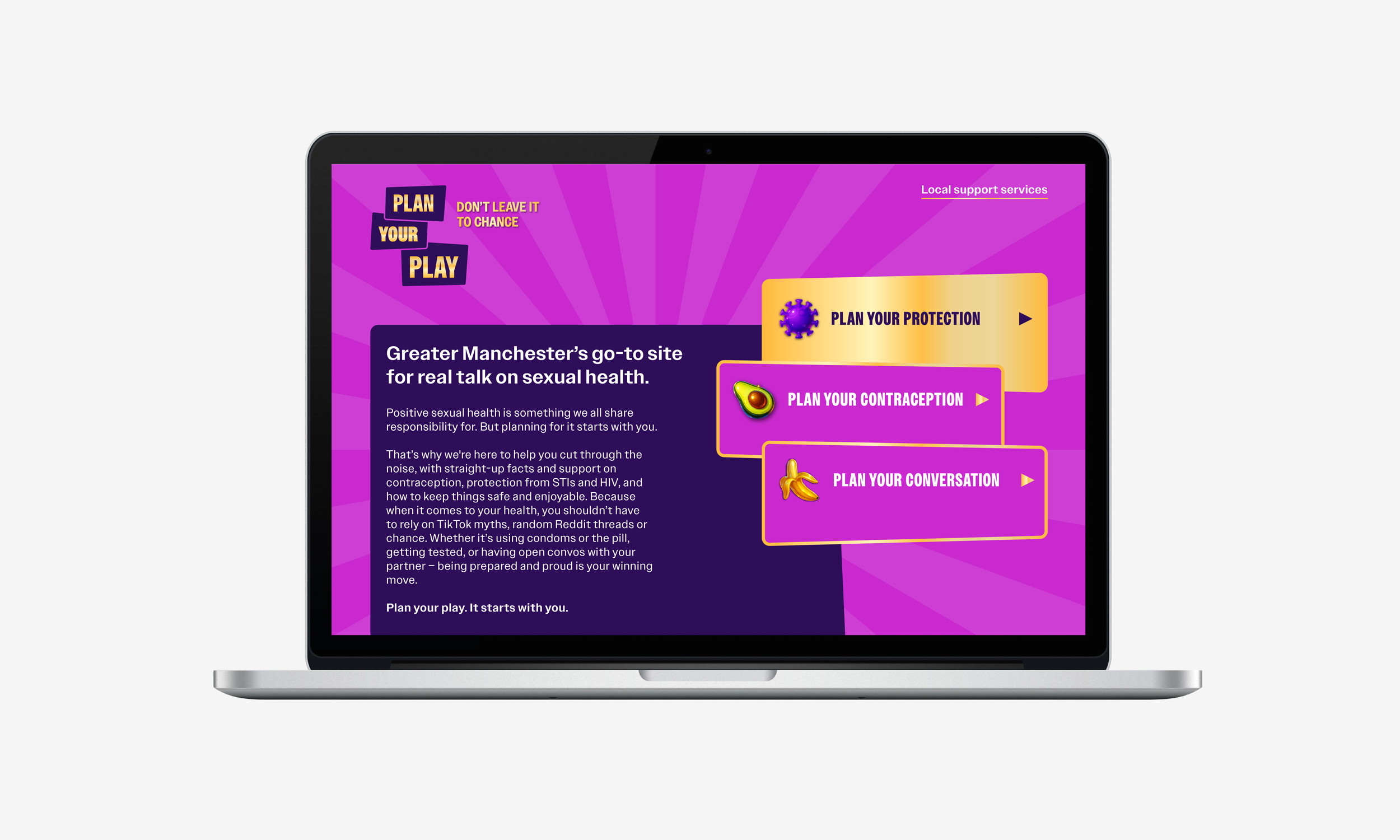
To effectively mitigate the potential negative impact of council ownership, the campaign was deliberately and independently branded ‘Plan Your Play – Don’t Leave it to Chance’, firmly positioning it as a myth-busting, factually persuasive, behavioural change campaign. This carefully considered approach enabled us to develop a narrative that hinged on the idea of planning and preparation, giving the audience the autonomy to ‘play’, but be better informed and supported when it comes to sexual health, contraception, protection, testing and consent.
The campaign would need to drive audiences to a dedicated microsite that brought together sometimes disparate and hard-to-find information and local support services, and all the key sexual health facts to confidently dispel the common myths and misinformation revealed during the insight phase. It also needed to be perceived as ‘independent’ agenda-free information (supported by the latest NHS evidence) and an easy-to-digest amalgamation of local support services. Once on the microsite, clear signposting directed visitors to additional help and support tailored by borough, giving the campaign a greater sense of local relevance.
Using an engaging graphic language
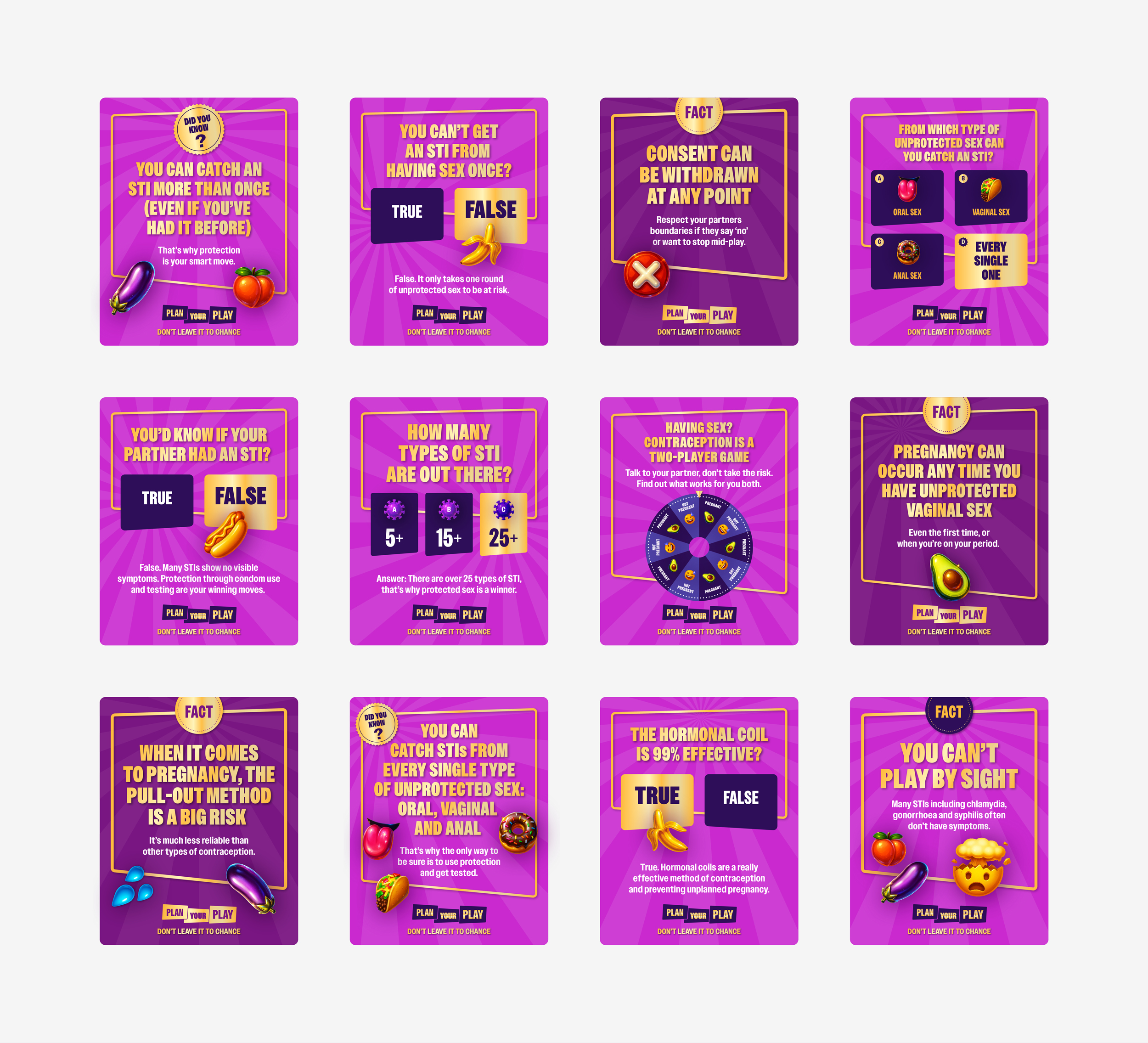
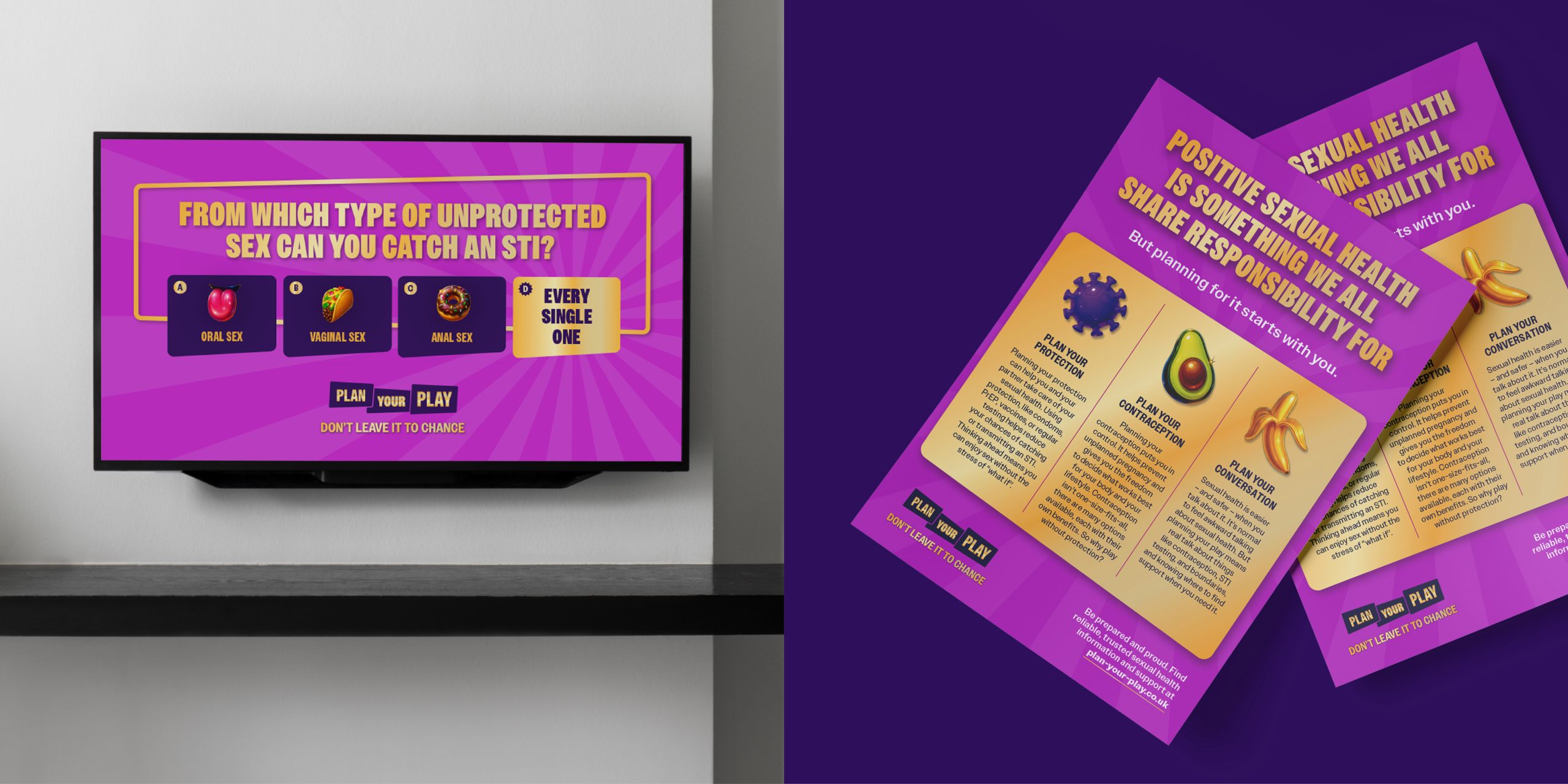
Although addressing an extremely serious issue, it was important to adopt a graphic language that didn’t appear ‘preachy’ or condescending, as we know this works against public health engagement and any genuine behaviour change. This balance was achieved with the introduction of a number of emojis with (hidden) sexual connotations that were coupled with a visual approach that mimicked traditional quiz formats, such as; true or false, multiple choice, or word searches, linking in with the idea of ‘play’ but also allowing us to present the facts. This unusual but interesting juxtaposition allowed us to generate assets that were both informative and engaging while reinforcing the notion that decisions around good sexual behaviour should not be left to chance, and that everyone should play their part in contraception, protection, testing and respect when it comes to sexual health.
Given the audience demographic, we identified where and how most were likely to engage with the content – adopting an overall youthful tone that is echoed in both the campaign tone of voice and the messaging convention. We also introduced an interactive element (true or false), enhanced through animation to help drive greater engagement.
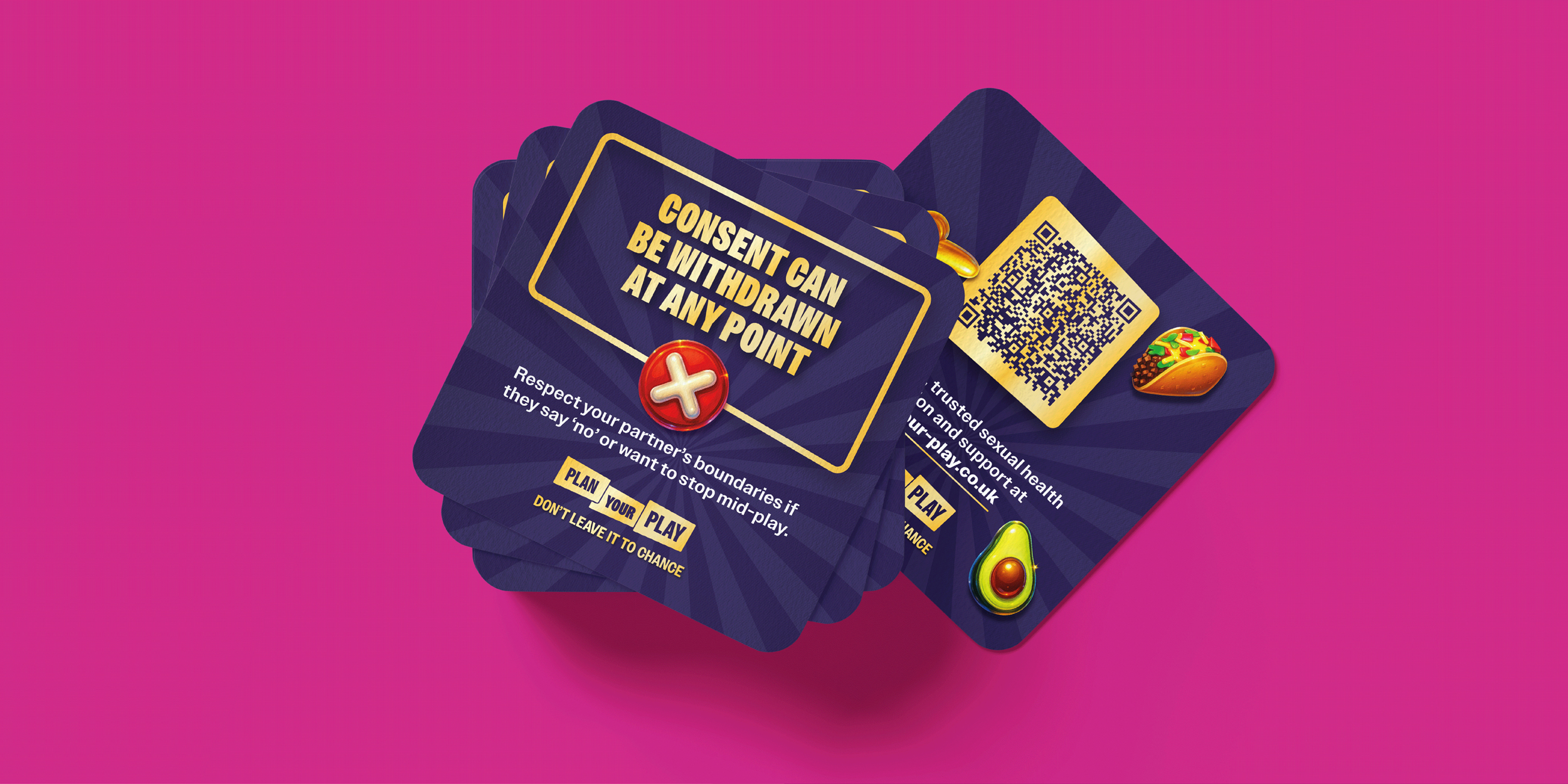
In terms of implementation, we wanted the campaign to be as visible as possible – to help achieve this, we employed a healthy mix of communication channels, from out-of-home to social platforms most popular with the audience. We delivered paid advertising and organic activity on TikTok and Instagram, and produced a variety of printed materials that were circulated locally within the ten boroughs.
The campaign outcome
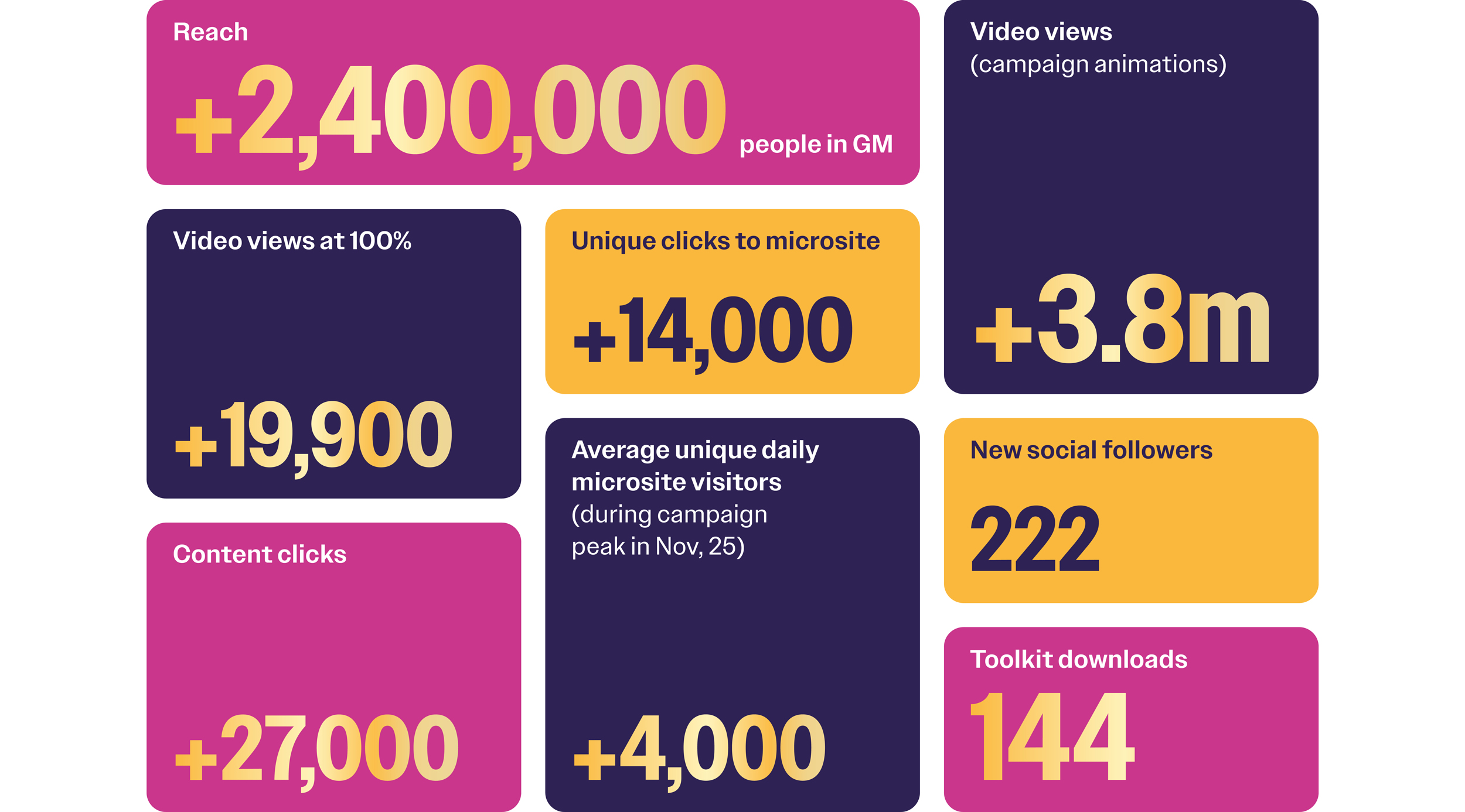
The strength of the animation-led creative and bold, myth-busting messaging translated effectively across platforms, delivering high levels of video engagement, strong click-through performance and sustained high traffic to trusted sexual health information. The digital approach not only amplified campaign visibility during each burst, but created a cohesive and recognisable campaign presence that resonated with younger audiences and encouraged proactive, informed decision-making.
The results show impressive reach, views, clicks and campaign engagement from the target audience, given a tight media budget. Across a ten-week ‘live’ period, the campaign achieved the following results:
“Working with Glorious has been a brilliant experience. The team brought exceptional expertise in delivering a media campaign, guiding us through every stage with clarity and confidence. Collaboration was at the heart of the process, with the team listening carefully to our brief, working closely with us at every step, and ensuring our vision was fully realised. They helped us create a campaign that resonates, engages, and makes sexual health feel approachable and inclusive to our target audience.”
Public Health Commissioning and Improvement Manager, Rochdale Borough Council
Interested in Glorious Thinking?
If you like what we did for the Greater Manchester Sexual Health Commissioners we could do something for you.

Mailing List
Sign up to our mailing list to receive all the latest news.
Check out our privacy policy for the full story on how we protect & manage your submitted data.